
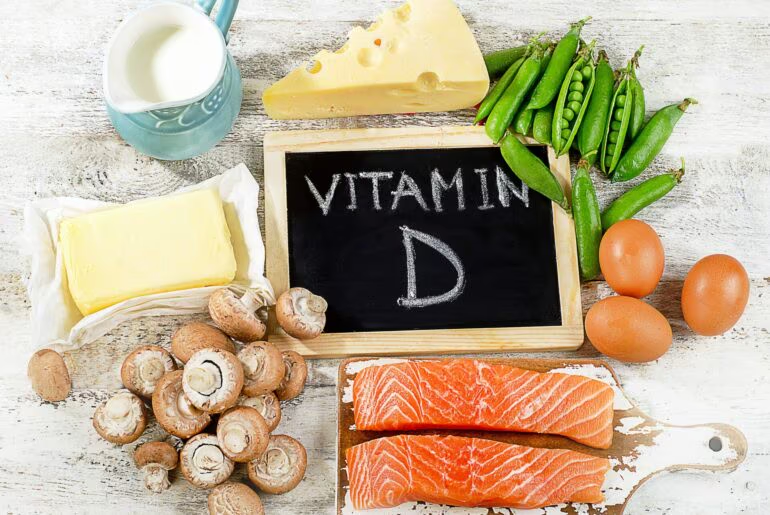
Vitamin D is often called the “sunshine vitamin,” yet a surprising number of people don’t get enough of it. Because it plays a role in everything from bone strength to immune function and mood, falling short can quietly affect how you feel day to day. The good news: with a few simple habits, making sure you’re getting enough vitamin D is entirely achievable. Here’s a practical, evidence-based guide to doing exactly that.
Why Vitamin D Matters ?
Vitamin D is a fat-soluble nutrient that behaves more like a hormone than a typical vitamin. Its best-known job is helping your body absorb calcium and phosphorus, which keeps bones and teeth strong and helps prevent conditions like osteoporosis and, in children, rickets.
But its influence reaches further than your skeleton. Vitamin D supports:
- Immune health, helping your body defend against infections
- Muscle function, reducing the risk of weakness and falls, especially in older adults
- Mood regulation, with low levels linked to a higher risk of low mood and seasonal dips
- Cell growth and overall metabolic balance
When levels run low over time, the effects can be subtle but real, which is why staying on top of your intake is worth the effort.
How Much Vitamin D Do You Actually Need?
Recommendations vary slightly by country and health authority, but the general daily targets for most people are:
- Infants (0–12 months): around 400 IU (10 mcg)
- Children and adults (1–70 years): around 600 IU (15 mcg)
- Adults over 70: around 800 IU (20 mcg)
- Pregnant and breastfeeding women: around 600 IU (15 mcg)
These are baseline figures to prevent deficiency. Some people, particularly those who are already low, may need more under the guidance of a healthcare provider. Vitamin D is measured in both international units (IU) and micrograms (mcg), where 40 IU equals 1 mcg.
The Three Main Ways to Get Vitamin D
There are essentially three routes to keeping your levels healthy: sunlight, food, and supplements. Most people do best with a combination of all three.
1. Sunlight: Your Body’s Natural Source
Your skin produces vitamin D when exposed to ultraviolet B (UVB) rays from the sun. For many people, short, regular sun exposure is the most efficient way to maintain levels.
A practical approach is around 10 to 30 minutes of midday sun on your face, arms, and legs several times a week, though the exact amount depends on your skin tone, location, season, and the time of day. People with darker skin produce vitamin D more slowly and may need longer exposure.
A few important caveats:
- Sunscreen, glass, and clothing block UVB, so sitting by a sunny window or wearing full sun protection won’t help your vitamin D production.
- Geography matters. If you live far from the equator, winter sunlight is often too weak to generate meaningful vitamin D for several months of the year.
- Balance is key. Never let the pursuit of vitamin D lead to sunburn, which raises skin cancer risk. Brief, unburned exposure is the goal.
2. Food: Eating Your Way to Better Levels
Few foods are naturally rich in vitamin D, but the ones that are can make a meaningful contribution. The best dietary sources include:
- Fatty fish such as salmon, mackerel, sardines, and trout (among the richest natural sources)
- Cod liver oil, which is exceptionally concentrated
- Egg yolks
- Beef liver
- Mushrooms, particularly those exposed to UV light
Because natural sources are limited, many countries fortify common foods with vitamin D. Look for it added to milk and plant-based milk alternatives, breakfast cereals, orange juice, and some yogurts. Checking labels for fortified products is an easy way to boost your daily intake.
3. Supplements: A Reliable Backup
For anyone who struggles to get enough from sun and food, supplements are a simple, effective solution. They’re especially useful during darker winter months or for people in higher-risk groups.
- Vitamin D3 (cholecalciferol) is generally considered more effective at raising and maintaining blood levels than D2 (ergocalciferol).
- Take supplements with a meal containing some fat, since vitamin D is fat-soluble and absorbs better that way.
- Stick to recommended doses unless your doctor advises otherwise. More is not automatically better.
Who’s Most at Risk of Deficiency?
Some people are far more likely to fall short, regardless of season. You may need to pay extra attention if you:
- Get limited sun exposure (work indoors, are housebound, or cover up for cultural or medical reasons)
- Have darker skin, which reduces vitamin D synthesis
- Are older, since skin becomes less efficient at producing it with age
- Live at high latitudes with long, dark winters
- Have higher body weight, as vitamin D can be stored in fat tissue and become less available
- Have certain medical conditions affecting fat absorption, such as Crohn’s or celiac disease
- Follow a strict vegan diet, which excludes many natural sources
If one or more of these apply to you, supplements and fortified foods become especially important.
Signs You Might Be Low
Vitamin D deficiency often develops quietly, but possible warning signs include persistent fatigue, bone or back pain, muscle weakness, frequent infections, low mood, and slow wound healing. These symptoms overlap with many other conditions, so they aren’t proof of deficiency on their own, but they’re worth noting.
The only reliable way to know your status is a simple blood test called the 25-hydroxyvitamin D test. If you suspect you’re low, or fall into a high-risk group, ask your doctor about checking your levels.
Can You Get Too Much Vitamin D?
Yes, but almost never from sunlight or food. Vitamin D toxicity is caused by excessive supplementation over time. It can lead to a dangerous buildup of calcium in the blood, causing nausea, weakness, frequent urination, and potential kidney problems.
This is why following recommended doses matters. If you’re considering high-dose supplements, do so only under medical supervision.
A Simple Plan to Stay on Top of It
Pulling it all together, here’s a straightforward routine to keep your vitamin D in a healthy range:
- Get regular, sensible sun exposure when the season allows, without burning.
- Eat vitamin D–rich foods like fatty fish a couple of times a week, and choose fortified products.
- Consider a daily D3 supplement, especially in winter or if you’re in a high-risk group.
- Get tested if you have symptoms or risk factors, and follow your doctor’s guidance.
- Stick to safe doses and avoid mega-doses unless prescribed.
Frequently Asked Questions
How long does it take to raise low vitamin D levels? With consistent supplementation, levels often improve noticeably within a few weeks to a couple of months, though severe deficiency may take longer and sometimes requires higher prescribed doses.
Can I get enough vitamin D from sunlight alone? Sometimes, depending on where you live, your skin tone, and the season. But for many people, especially in winter or at higher latitudes, sunlight alone isn’t reliable year-round, making food and supplements valuable backups.
Is it better to take vitamin D in the morning or evening? Timing matters less than consistency. The most important factor is taking it with a meal containing fat for better absorption, so choose whichever time helps you remember it daily.
Do I need vitamin D supplements in summer? If you get regular sun exposure in summer, you may not need them during those months. Many people focus supplementation on autumn and winter when sunlight is weaker.
The Bottom Line
Making sure you’re getting enough vitamin D doesn’t require complicated routines, just a bit of awareness. By combining sensible sun exposure, vitamin D–rich foods, and supplements when needed, you can keep your levels healthy year-round. If you’re unsure where you stand, a quick blood test and a conversation with your doctor will give you a clear picture and peace of mind.