
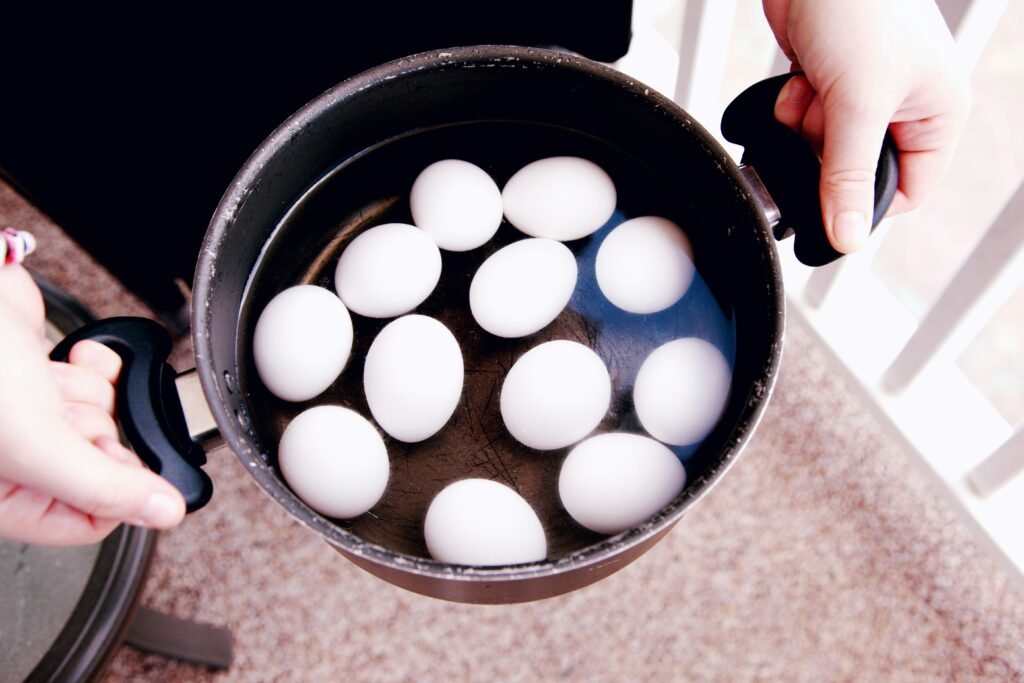
You boil a batch of eggs, peel them for breakfast or a salad, and then do what almost everyone does: pour the leftover water straight down the drain. It seems like nothing more than cloudy, used-up cooking water. But that humble pot of liquid is hiding a clever little secret, and once you know it, you may never tip it away again.
Here is the ingenious reason to keep it, plus exactly how to put it to use.
The ingenious reason: it is quietly full of minerals
Eggshells are made largely of calcium carbonate, the same compound found in many garden lime products. When you boil eggs in their shells, the heat and water draw out a small amount of that calcium, along with trace minerals like magnesium, potassium, and phosphorus. Some of the shell literally dissolves into the pot.
That is why the water often looks slightly cloudy or has tiny flecks in it. What you are left with is a gentle, mineral-enriched solution, and the smartest place to use it is on your plants. Instead of buying fertilizer in a bottle, you can give your greenery a small, free, chemical-free calcium boost using something you were about to throw away.
A quick reality check
It is worth being honest about scale so your expectations stay grounded. The amount of calcium that leaches into the water is modest, not enormous. One often-cited test found that water steeped with an eggshell for a full day held only a few milligrams of calcium and potassium. That is far too little to matter for your own diet, but it is a perfectly nice, light top-up for plants, especially potted ones where nutrients wash out quickly with each watering.
So think of egg water as a gentle micro-supplement rather than a miracle growth potion. Used regularly, that small trickle of minerals can add up and make a real difference over a season.
Why plants love the calcium
Calcium is something of a hidden scaffolding for plant life. It helps build and maintain strong cell walls, supports healthy root development, and keeps new shoots sturdy. When plants run short on it, they can look floppy, stressed, or patchy.
Calcium is especially valuable for certain crops. Tomatoes, peppers, and eggplants are prone to blossom-end rot, a frustrating problem where the bottom of the fruit turns dark and sunken, and it is closely linked to poor calcium uptake. A modest, repeated dose of calcium-rich water can help tip the balance in their favor and support stronger stems and fewer ruined fruits.
How to use boiled egg water the right way
Putting this trick into practice could not be simpler, but a few details matter.
- Let it cool completely. This is the most important step. Never pour hot or even warm water onto soil, because it can scorch roots and harm the beneficial microbes living in the soil. Set the pot aside until the water reaches room temperature.
- Water at the base. Pour it gently onto the soil around the plant, focusing on the roots rather than splashing the leaves.
- Spread it around. If you have a lot of water, divide it between several pots, or dilute it with plain water for small or delicate plants.
- Use it fresh-ish. Use the cooled water within a day or so rather than letting it sit out for long periods.
That is the whole method. No special equipment, no measuring, just a free watering can refill hiding in your kitchen.
More clever ways to use it
The garden is the star, but there are a couple of other smart options:
- Feed your compost. Pouring cooled, unsalted egg water into your compost bin adds a little calcium and moisture to the pile, helping it along.
- Do not forget the shells. The shells themselves are an even richer calcium source than the water. Once dry, crush them and work them into your soil so roots can slowly draw on the nutrients, or grind them into a fine powder for faster release.
Important things to avoid
A few simple rules keep this hack helpful instead of harmful:
- Skip it if you salted the water. Salt is bad for plants, so if you added salt to your boiling water, that batch goes down the drain.
- Go easy on acid-loving plants. Because calcium carbonate nudges soil toward the alkaline side, plants that prefer acidic soil, such as blueberries, azaleas, and hydrangeas that you want to stay blue, are not the best candidates. Tomatoes, peppers, roses, cabbage, and squash, on the other hand, tend to appreciate it.
- Do not overdo it. Too much can push soil pH too high, which can make it harder for plants to absorb iron and lead to yellowing leaves. An occasional watering, rather than every single day, is plenty.
When in doubt, an inexpensive soil pH test can tell you whether your plants would welcome the extra calcium or are better left alone.
Frequently asked questions
Does boiling eggs really put calcium in the water? Yes, a small amount of calcium carbonate and trace minerals leach from the shells into the water during boiling. The quantity is small but useful as a light feed for plants.
Can I drink egg-boiling water for the calcium? There is far too little calcium in it to matter for your diet, so it is not worth drinking for that reason. Its best use is in the garden.
Do I have to cool the water first? Yes. Always let it return to room temperature before using it on plants, since hot water can damage roots and kill helpful soil microbes.
Which plants benefit most? Calcium-loving plants like tomatoes, peppers, eggplants, roses, cabbage, and squash respond well. Avoid using it heavily on acid-loving plants like blueberries and azaleas.
How often should I use it? Occasionally rather than constantly. A regular but moderate top-up gives a gentle benefit without raising soil pH too far.