
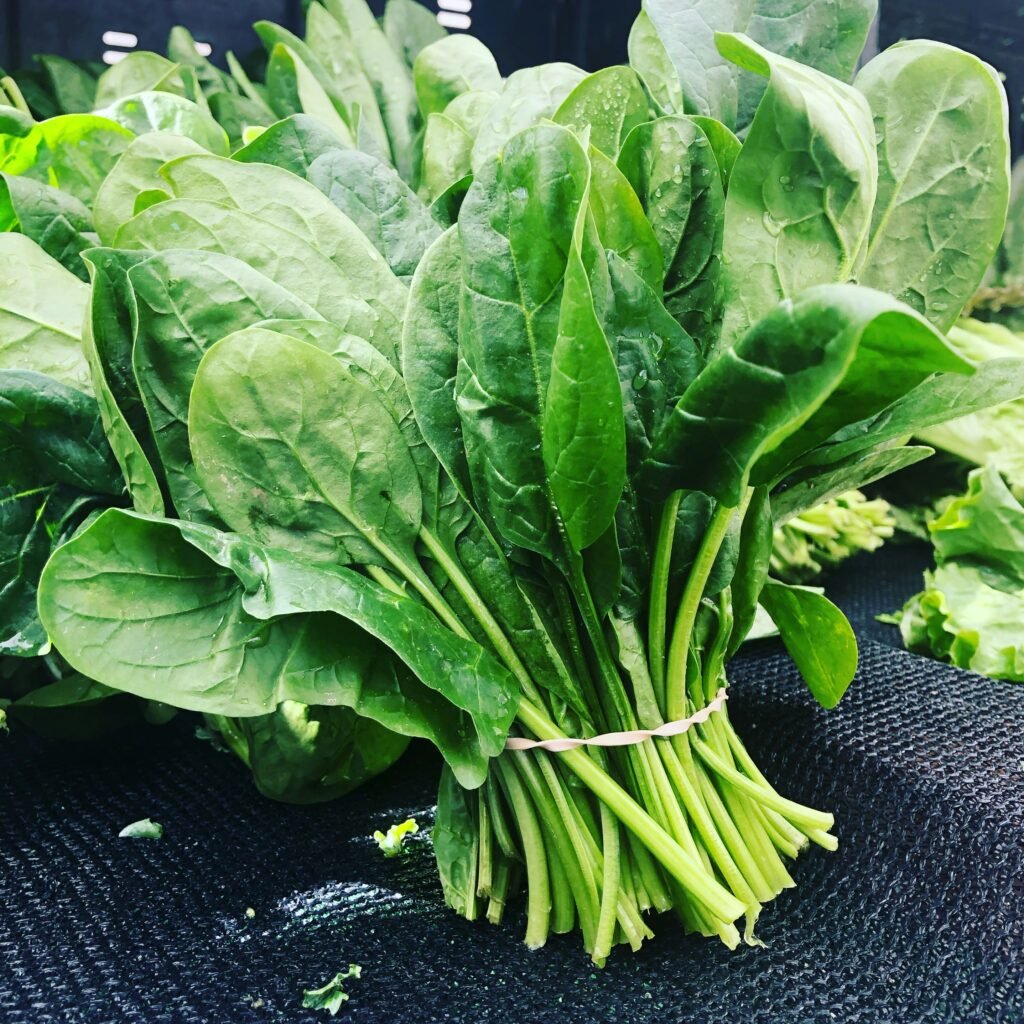
If you are trying to manage your weight, the most powerful tool on your plate might be a humble leafy green you already know. Spinach is cheap, versatile, and quietly impressive when it comes to supporting a leaner, healthier body. It will not melt fat on its own (no single food does that), but few foods work as hard to make weight management easier. Here is why spinach deserves a starring role in your meals.
First, a reality check
Let us be clear up front: there is no magic fat-burning food, and spinach is no exception. Lasting weight management comes from an overall pattern of eating, movement, sleep, and stress habits, not one ingredient. What spinach does is stack the odds in your favor. It fills you up for almost no calories, supports steady energy, and even appears to help quiet the cravings that derail so many good intentions. Think of it as a reliable ally rather than a miracle cure.
With that in mind, here is what makes it so useful.
1. It fills you up for almost no calories
The single biggest reason spinach helps with weight is its very low energy density, meaning it delivers a large volume of food for very few calories. A generous couple of handfuls of raw spinach contain only a small number of calories, yet they take up real space on your plate and in your stomach.
This matters because feeling full is closely tied to the volume and weight of food you eat, not just its calorie count. When you build meals around high-volume, low-calorie foods like spinach, you can eat satisfying portions while naturally keeping your overall intake in check. Swapping part of a calorie-dense dish for a big handful of spinach is one of the simplest ways to lighten a meal without feeling deprived.
2. Fiber and water keep hunger at bay
Spinach is rich in both fiber and water, and together they are a powerful combination for appetite control. Fiber slows digestion and helps you feel satisfied for longer after a meal, while the high water content adds bulk that signals fullness to your brain.
Fiber also supports steadier blood sugar, which helps smooth out the energy crashes and hunger spikes that often lead to snacking. As a bonus, a fiber-rich diet feeds the beneficial bacteria in your gut, which is increasingly linked to healthier metabolism and weight regulation. Most people fall short on fiber, so leaning on foods like spinach is an easy way to close the gap.
3. It contains compounds that may curb cravings
This is where spinach gets interesting. The green leaves contain tiny structures called thylakoids, the membranes inside plant cells that handle photosynthesis. Research, much of it from Lund University in Sweden, suggests these thylakoids can influence appetite in a helpful way.
In studies, thylakoids appear to slow the digestion of fat, which gives your gut more time to release satiety hormones such as GLP-1 and CCK while lowering the hunger hormone ghrelin. The result reported in several trials was reduced hunger, greater fullness through the day, and notably fewer cravings for sweet and fatty snacks. Some participants found it easier to stick to regular meals without reaching for treats.
A couple of honest caveats are worth knowing. Much of this research used concentrated spinach extracts rather than a plate of cooked greens, and reviews of the science note that while the appetite and satiety effects are fairly consistent, the longer-term weight-loss results are still developing and need more study. So eating spinach is unlikely to match a supplement dose, but it is a pleasant thought that the same leaves on your plate carry compounds your body seems to respond well to.
4. It is nutrient-dense without the calorie cost
When you cut back on overall food intake, getting enough nutrients can become a challenge. Spinach solves part of that problem because it is loaded with vitamins and minerals while staying very light on calories.
It is a strong source of vitamin K, vitamin A, folate, vitamin C, and a range of antioxidants, along with minerals like magnesium, potassium, and iron. Magnesium and iron in particular support energy production and oxygen transport, which can help you feel up to staying active. Eating nutrient-dense foods also tends to leave you more satisfied than empty-calorie options, supporting better food choices overall.
5. It is endlessly easy to add to your day
A healthy food only helps if you actually eat it, and spinach is one of the easiest vegetables to work into almost any meal. Its mild flavor disappears into all kinds of dishes, so you can boost the nutrition and volume of what you already enjoy.
A few simple ideas:
- Toss a couple of handfuls into a morning smoothie, where you will barely taste it.
- Stir fresh spinach into soups, pasta sauces, curries, or scrambled eggs in the last minute of cooking.
- Use it as a base or bulk-builder for salads and grain bowls.
- Fold sauteed spinach into omelets, wraps, or whole-grain toast toppings.
- Blend it into dips and pesto for a green, nutrient-rich upgrade.
Because spinach wilts down so much when cooked, a large raw pile becomes a modest, easy-to-eat amount, making it simple to get a real serving in.
What spinach cannot do
To keep expectations grounded: spinach will not cancel out a pattern of overeating, and it cannot target fat in specific areas of your body. It also is not a replacement for protein, healthy fats, and the overall balance your body needs. The point is not to eat spinach instead of everything else, but to let it crowd out some of the heavier, less filling foods on your plate while adding nutrition. Used that way, it makes a balanced, sustainable approach to weight far easier to stick with.
Frequently asked questions
Does spinach really help you lose weight? Not by itself, but it supports weight management well. Its low calorie density, fiber, and water help you feel full on fewer calories, and compounds in spinach are linked to reduced cravings.
How much spinach should I eat? There is no magic amount. Aim to include it regularly as part of balanced meals, such as a couple of handfuls in a salad, smoothie, or cooked dish, alongside protein, whole grains, and other vegetables.
Is raw or cooked spinach better? Both are good. Cooking shrinks spinach so you can eat more in one sitting and may make some nutrients easier to absorb, while raw spinach keeps more vitamin C. Variety is the best approach.
Can I just take spinach extract instead? Some studies on appetite used concentrated thylakoid extracts, but whole spinach gives you fiber, water, and a full range of nutrients that a supplement does not. Eating the vegetable is the simpler, more complete choice for most people.