
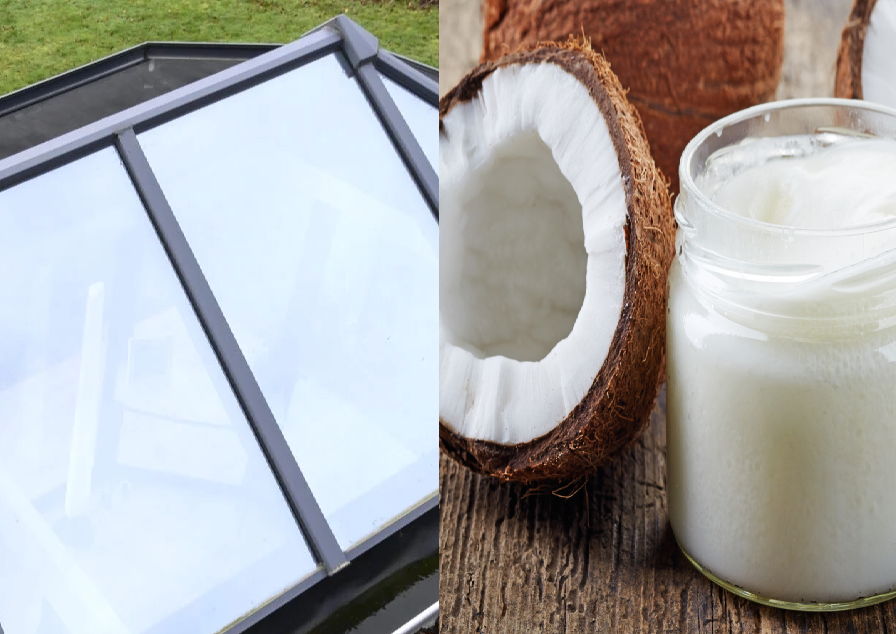
If you’ve ever scrubbed your shower door until your arm ached and still found a cloudy film clinging to the glass, you already know the enemy: soap residue. It’s that chalky, waxy buildup that dulls tiles, clouds glass, and makes your bathroom look grimy no matter how often you clean. The surprising fix is probably sitting in your kitchen pantry right now. Learn to clean with coconut oil, and you can banish soap residue for good, naturally, cheaply, and without harsh chemicals.
What Is Soap Residue (and Why Won’t It Budge)?
Soap residue, often called soap scum, isn’t just leftover soap. It’s a stubborn mix of soap, body oils, and the calcium and magnesium minerals found in hard water. When these combine, they form an insoluble, waxy film that bonds tightly to surfaces. That’s exactly why plain water and even many commercial sprays struggle to remove it, water alone can’t dissolve a substance that’s partly mineral and partly grease.
This is where coconut oil shines. The principle behind it is simple chemistry: “like dissolves like.” Because soap scum has an oily, waxy component, an oil-based cleaner can loosen and lift it far more effectively than a water-based one.
Why Coconut Oil Works So Well on Soap Scum
Coconut oil has a few qualities that make it a quiet superstar for bathroom cleaning:
- It dissolves greasy buildup. The oil breaks down the waxy bonds in soap residue, letting it slide right off instead of clinging on.
- It’s gentle on surfaces. Unlike abrasive scrubs or acidic chemicals, coconut oil won’t scratch glass or etch finishes when used correctly.
- It leaves a protective layer. A thin film of coconut oil repels water, which slows down how quickly new soap scum can form.
- It’s non-toxic and affordable. No fumes, no warning labels, and a single jar lasts a long time.
In short, when you clean with coconut oil you’re not just removing today’s grime, you’re making tomorrow’s cleanup easier too.
What You’ll Need
You don’t need much to get started:
- Virgin or refined coconut oil (either works)
- A clean, soft microfiber cloth
- A second cloth for buffing
- Optional: white vinegar or a mild dish soap for the final rinse
- Optional: baking soda for heavy buildup
How to Clean with Coconut Oil: Step by Step
Follow these steps to tackle soap residue on most bathroom surfaces.
1. Warm the oil slightly. Coconut oil is solid below about 76°F (24°C). Scoop out a small amount and let it soften in your hands or warm it gently so it spreads easily.
2. Apply a thin layer. Using your cloth, rub a small amount of coconut oil directly onto the soap residue. A little goes a long way, you want a light coat, not a greasy slick.
3. Let it sit. Give the oil two to five minutes to penetrate and loosen the buildup. For thick, long-standing scum, leave it on a little longer.
4. Wipe away the residue. Buff the area with your cloth using firm, circular motions. You should feel the film lift and the surface turn smooth and clear.
5. Remove the oily finish. Coconut oil leaves a slight sheen. Wipe the surface with a cloth dampened in diluted white vinegar or a drop of dish soap, then dry with a clean cloth. This step is essential on floors, tub bottoms, and anywhere you stand, to avoid slipperiness.
Best Places to Use Coconut Oil
This method works beautifully across the bathroom and beyond:
- Glass shower doors: Cuts through cloudy film and leaves glass clear and water-repellent.
- Chrome and stainless faucets: Lifts residue and adds a streak-free shine.
- Ceramic and porcelain tiles: Restores gloss to dull, scummy surfaces.
- Stainless steel sinks: Removes buildup and polishes in one step.
- Bathtubs: Effective on the ring of soap scum, just rinse thoroughly afterward.
For Tough, Built-Up Scum: The Coconut Oil + Baking Soda Trick
If the buildup is years deep, make a gentle paste by mixing coconut oil with a little baking soda. The baking soda adds mild scrubbing power while the oil dissolves the grease. Apply, let it sit for five minutes, scrub gently, then rinse and dry. It’s powerful enough for the worst corners yet soft enough to protect your finishes.
Bonus: Prevent Soap Residue Before It Starts
The real magic of cleaning with coconut oil is prevention. Once your surfaces are clean and dry, rub a very thin layer of coconut oil over glass shower doors and tiles, then buff until no greasy feel remains. This invisible barrier causes water to bead up and roll off, dramatically slowing the return of soap scum. Reapply every week or two and you’ll spend far less time scrubbing.
A few extra habits help too: switch to a body wash instead of bar soap (bar soap creates more scum), squeegee glass after showering, and run the bathroom fan to reduce lingering moisture.
A Few Precautions
Coconut oil is gentle, but keep these tips in mind:
- Mind your drains. Coconut oil solidifies when cool and can contribute to clogs over time. Use small amounts and wipe excess into the trash rather than rinsing large quantities down the drain.
- Watch for slippery floors. Always buff away the oily finish on any walking surface.
- Test first. On natural stone or unusual finishes, test a small hidden spot before treating the whole area.
- Use sparingly. More oil doesn’t mean more cleaning power, it just means more buffing afterward.
Frequently Asked Questions
Does coconut oil really remove soap scum? Yes. Its oil content dissolves the waxy, greasy part of soap residue, allowing it to wipe away easily, something water-based cleaners can’t do as well.
Will coconut oil leave a greasy film? Only if you use too much or skip the final buff. A thin layer wiped down with diluted vinegar leaves surfaces clean and shiny, not slick.
Can I use coconut oil on shower glass to prevent scum? Absolutely. A thin, well-buffed coat acts as a water-repellent barrier that slows future buildup. Reapply every week or two for best results.
Is it safe for all surfaces? It’s safe for glass, chrome, ceramic, porcelain, and stainless steel. Test natural stone first, and always remove the oily finish from floors and tub bottoms.
The Takeaway
Soap residue doesn’t stand a chance against a method this simple. When you clean with coconut oil, you swap harsh chemicals and endless scrubbing for one affordable, non-toxic jar that cleans and protects. Try it on your shower door this week, once you see the glass go crystal clear, you’ll wonder why you ever reached for anything else.