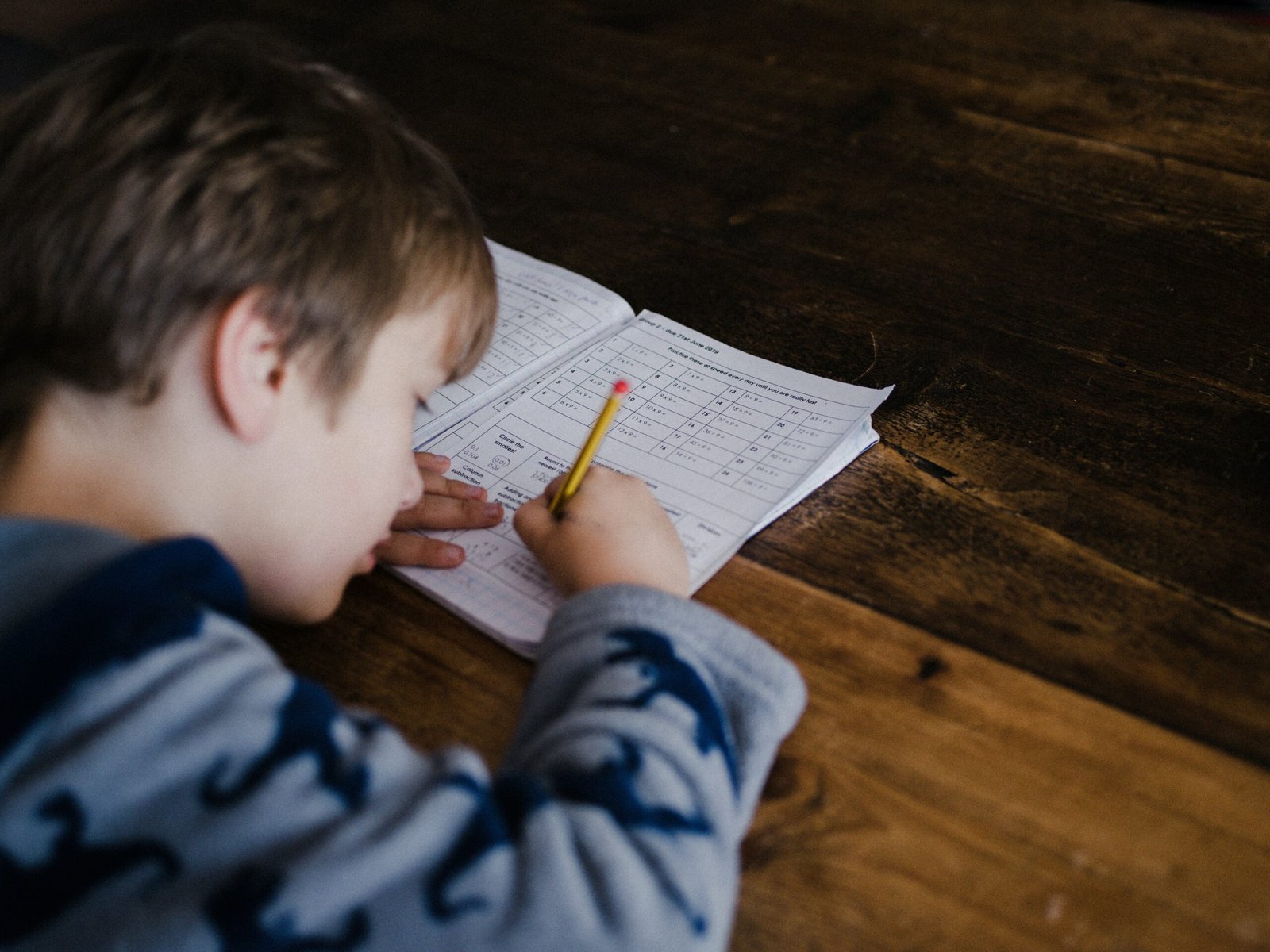
Helping Your Child Build Good Study Habits: A Parent’s Practical Guide

Child Build Good Study

Every parent wants to see their child do well, but few of us were taught how to teach good study habits, and even fewer enjoy the nightly tug-of-war over homework. Here is some reassuring news: success at school depends far less on raw talent than on steady, healthy habits, and those are something you can help nurture. Your role is not to be a taskmaster or a homework machine, but a calm, encouraging guide. This practical guide walks you through how to do exactly that.

Why study habits matter more than you might think

Good study habits are a form of life skill. They teach a child how to focus, manage time, stick with something difficult, and take ownership of their work. These abilities matter long after a particular test is forgotten. A child who learns to organize their effort and bounce back from mistakes carries those strengths into every future challenge. The goal, then, is not just better grades this term, but a confident, capable learner for the long run.

1. Create a consistent place to study

A dedicated study spot signals to your child’s brain that it is time to focus. It does not need to be fancy, just a consistent, reasonably quiet space with good light, the supplies they need within reach, and as few distractions as possible. Keeping it away from the television and the busiest parts of the house helps. When studying happens in the same place each day, sitting down there becomes a habit in itself.

2. Build a predictable routine

Children thrive on routine, and study time is no exception. Try to set a regular time for homework and studying, whether that is right after a snack and a short break following school, or after dinner, depending on your child’s rhythm. A predictable schedule reduces daily negotiation and helps studying feel like a normal part of the day rather than a battle. Build the routine together so your child feels some ownership of it.

3. Break work into manageable chunks

A big pile of homework can feel overwhelming, which leads to procrastination and stress. Help your child break tasks into smaller pieces and tackle them one at a time, with short breaks in between. Younger children can focus for only short stretches, while older ones can handle longer sessions, so adjust to their age. Brief, regular pauses to stretch or move around keep their mind fresher than pushing through for hours.

4. Teach them to get organized

Organization is a habit worth building early. Help your child use a planner, calendar, or simple checklist to track assignments and due dates, so nothing gets forgotten and big projects do not become last-minute panics. Sit with them at first to model how to write things down and plan ahead, then gradually hand the responsibility over. Learning to manage their own workload is one of the most valuable habits they can develop.

5. Encourage active learning, not just rereading

Many children think studying means reading their notes over and over, but that is one of the least effective methods. Gently steer them toward active techniques that make the brain work, which build far stronger memory. Encourage them to close the book and test themselves, make flashcards, or explain a topic out loud to you in their own words. If they can teach it to you, they truly understand it. These active habits make their study time count for much more.

6. Be a coach, not a rescuer

It is tempting to jump in and fix every problem or correct every answer, but doing the work for your child robs them of the chance to learn. Instead, guide them with questions: “What do you think the question is asking?” or “Where could you look to find that?” Let them wrestle with a challenge before you step in, and let them make some mistakes, since mistakes are how learning happens. Fostering independence now builds confidence and self-reliance that will serve them for years.

7. Praise effort, not just results

How you respond to your child’s work shapes their attitude toward learning. Focus your praise on effort, strategy, and persistence rather than only on grades or being “smart.” Saying “I can see how hard you worked on this” or “You stuck with that even when it was tricky” encourages them to value the process and to keep trying when things get tough. Praising effort over outcomes helps build resilience and a healthier relationship with learning.

8. Tame the distractions

Phones, tablets, games, and notifications are powerful focus-stealers. During study time, agree on keeping devices that are not needed for the work out of sight, perhaps in another room. Single-tasking helps your child work faster and absorb more than constant switching ever could. Setting these boundaries together, rather than imposing them, tends to win more cooperation.

9. Protect the basics: sleep, food, and movement

No study strategy can make up for an exhausted, hungry child. Sleep is when the brain consolidates what was learned, so a consistent bedtime matters as much as any homework tip. Balanced meals and snacks keep energy steady, and time to play and move outdoors helps children focus better when they sit down to work. Caring for these foundations is one of the most important things you can do for their learning.

10. Model a love of learning

Children watch what we do far more than they listen to what we say. When they see you reading, staying curious, looking things up, and approaching challenges calmly, they absorb the message that learning is normal and even enjoyable. Show interest in what they are studying, talk about things you are curious about, and treat learning as a positive part of life rather than a chore.

Adjusting your approach as your child grows

The right level of involvement changes with age. Younger children need more structure, supervision, and hands-on help to build the basics. As children move into the teen years, they need more independence and ownership, with you stepping back into a supporting role rather than directing. Pushing too hard for control as they get older often backfires, while trusting them with responsibility tends to build the self-motivation you are hoping for.

A gentle word on pressure

In wanting the best for our children, it is easy to pile on pressure without meaning to. But too much stress can sap motivation, fuel anxiety, and turn learning into something to dread. Aim for encouragement over pressure, and keep an eye on your child’s overall wellbeing, not just their performance. A balanced child who feels supported will almost always learn better than one who feels they must be perfect. If you notice persistent stress or struggles, a chat with their teacher or a school counselor can help.

Frequently asked questions

At what age should children start building study habits? You can begin gently in the early school years with short, consistent routines and a tidy space, then build more independence and structure as they grow. Early habits make later ones easier.

How much should I help with homework? Enough to guide and encourage, but not so much that you do it for them. Help them understand the task and ask guiding questions, then let them do the work themselves so they build confidence and independence.

My child resists studying. What can I do? Build the routine together so they have a say, break work into smaller chunks, remove distractions, and praise their effort. Power struggles tend to ease when children feel some ownership and support rather than pressure.

What is the most effective way to study? Active methods like self-testing, flashcards, and explaining a topic in their own words work far better than simply rereading notes. Spreading study over several days also beats last-minute cramming.