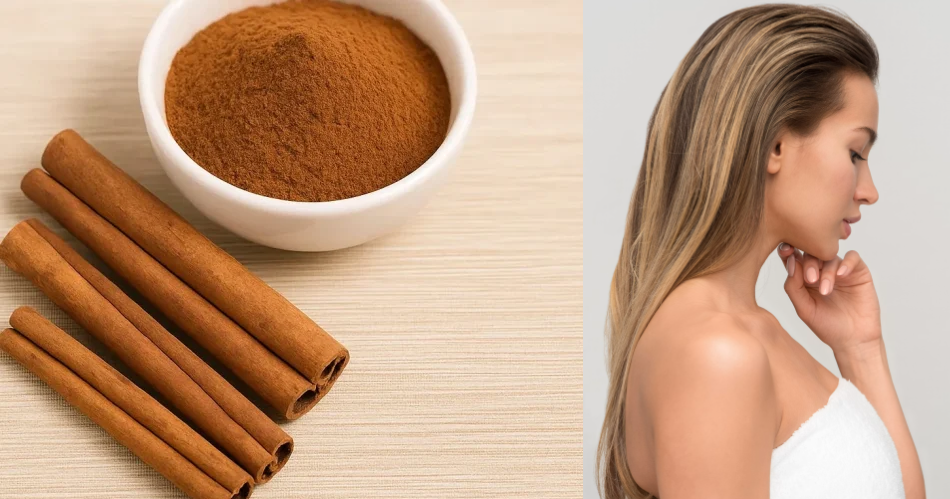
Spice Up Your Hair: Why Cinnamon Should Be Your New Hair Care Must-Have

cinnamon for hair growth

That jar of cinnamon in your kitchen cupboard might be hiding a secret talent. Beyond warming up your coffee and baked goods, this fragrant spice has earned a growing reputation in natural hair care, with fans reaching for it to support a healthier scalp and stronger-looking strands. So is cinnamon worth a place in your beauty routine? Here is what it may do for your hair, how to use it safely, and where the hype outpaces the science.

What makes cinnamon good for hair?

Cinnamon is packed with active plant compounds that explain its appeal for hair and scalp care. The standout is cinnamaldehyde, the compound responsible for the spice’s signature warmth and scent, which is known to widen blood vessels and encourage circulation. Cinnamon also contains procyanidins and polyphenols, which bring antioxidant, anti-inflammatory, and antifungal properties to the table.

Together, these compounds are the reason cinnamon shows up in so many DIY scalp treatments. Here is how they may translate into benefits.

The potential benefits of cinnamon for your hair

It may boost scalp circulation and support growth

The most talked-about benefit comes down to blood flow. Cinnamaldehyde can help dilate blood vessels and improve circulation to the scalp, and a well-supplied scalp delivers more oxygen and nutrients to the hair follicles. Since healthy follicles are the foundation of healthy growth, better circulation may create a more supportive environment for your hair. Animal studies have even linked cinnamon compounds to the active growth phase of the hair cycle, though human research is still limited.

It may help keep the scalp clean and flake-free

Cinnamon’s natural antimicrobial and antifungal properties are a real asset for scalp health. It has shown activity against Malassezia, the yeast-like fungus often behind dandruff, which means it may help calm flaking and keep your scalp’s microbiome in better balance. A cleaner, more balanced scalp is simply a better place for hair to grow.

It may protect hair from damage

The antioxidants in cinnamon, including its polyphenols, help neutralize free radicals that cause oxidative stress. Since oxidative stress can damage follicles and contribute to thinning over time, this protective effect may help your strands stay stronger and more resilient.

It may soothe an irritated scalp

Cinnamon’s anti-inflammatory compounds can help calm minor redness and itching for some people. Because chronic scalp inflammation can disrupt the hair growth cycle, soothing that irritation supports a healthier scalp overall, which your hair will thank you for.

It can leave hair looking shinier

Used as an occasional mask, cinnamon (especially blended with conditioning ingredients like honey and oil) can leave hair feeling nourished and looking glossier, making it a pleasant addition to a pampering routine.

A quick myth to clear up

You may have seen claims that cinnamon naturally lightens hair or works as a gentle dye. This one does not hold up. Cinnamon on its own has not been shown to reliably lighten or color hair. The lightening some people notice in honey-and-cinnamon masks comes mostly from the honey, not the spice. So enjoy cinnamon for scalp and hair health, but do not expect it to replace highlights.

How to use cinnamon on your hair

There is no official “best” method, since research on application is thin, but these gentle DIY approaches are popular and easy.

Cinnamon scalp oil: Mix a small amount of cinnamon powder (or just a drop or two of cinnamon essential oil) into a tablespoon or more of a carrier oil like coconut or olive oil. Warm it slightly, massage it into your scalp for a few minutes, leave it on for about 15 to 30 minutes, then shampoo out.

Cinnamon and honey hair mask: Combine cinnamon powder with honey and a little warmed olive oil to form a paste. Apply it to your scalp and hair, leave it on for around 15 minutes, then rinse and wash as usual. Once a week is plenty.

Add it to what you already use: Stir a pinch of cinnamon into a single application of your shampoo or conditioner for a mild scalp boost without committing to a full mask.

Whichever method you choose, keep it occasional rather than daily, since cinnamon is potent.

Safety first: please read before you try

Cinnamon is powerful, and using it carelessly can do more harm than good. Keep these rules in mind:

  • Always do a patch test. Apply a small diluted amount to your inner arm and wait 24 hours to check for redness, itching, or irritation before putting it anywhere near your scalp.
  • Never apply pure cinnamon essential oil directly. It is highly concentrated and must be heavily diluted in a carrier oil. A common guideline is just one drop of essential oil per tablespoon of carrier oil.
  • Dilute cinnamon powder too, and do not leave masks on longer than recommended.
  • Skip it if you have a sensitive scalp or existing scalp conditions, and avoid it if you have a known cinnamon allergy.
  • Stop immediately if you feel intense heat, stinging, burning, or notice redness or swelling, and rinse thoroughly.

Cinnamon’s warming nature is exactly what can cause trouble for sensitive skin, so caution here is not optional.

Keeping expectations realistic

It is worth being honest about the evidence. Much of the research on cinnamon for hair comes from laboratory and animal studies rather than large human trials, so the benefits are promising but not guaranteed. Think of cinnamon as a supportive, natural addition to a good overall hair care routine, including a balanced diet, gentle handling, and proper scalp care, rather than a miracle fix. If you are dealing with significant hair loss, a dermatologist can point you toward treatments with stronger proof behind them.

Frequently asked questions

Does cinnamon really help hair grow? It may support growth indirectly by improving scalp circulation and keeping the scalp healthy. The evidence is mostly preliminary, so results vary from person to person.

Can cinnamon get rid of dandruff? Its antifungal properties may help against the fungus linked to dandruff, so it can be a useful part of a scalp-care routine, though it is not a guaranteed cure.

Will cinnamon lighten my hair? No. Cinnamon alone has not been proven to lighten or dye hair. Any lightening from a honey-cinnamon mask is mainly due to the honey.

How often should I use cinnamon on my hair? Occasionally, such as once a week as a mask. It is potent, so daily use raises the risk of irritation.

Is cinnamon safe for everyone? Not necessarily. People with sensitive skin, scalp conditions, or a cinnamon allergy should avoid it. Always patch test first, and never use undiluted cinnamon essential oil.